A few years back I watched a CEO lose his whole leadership team in about ninety seconds, and he had no idea it happened.
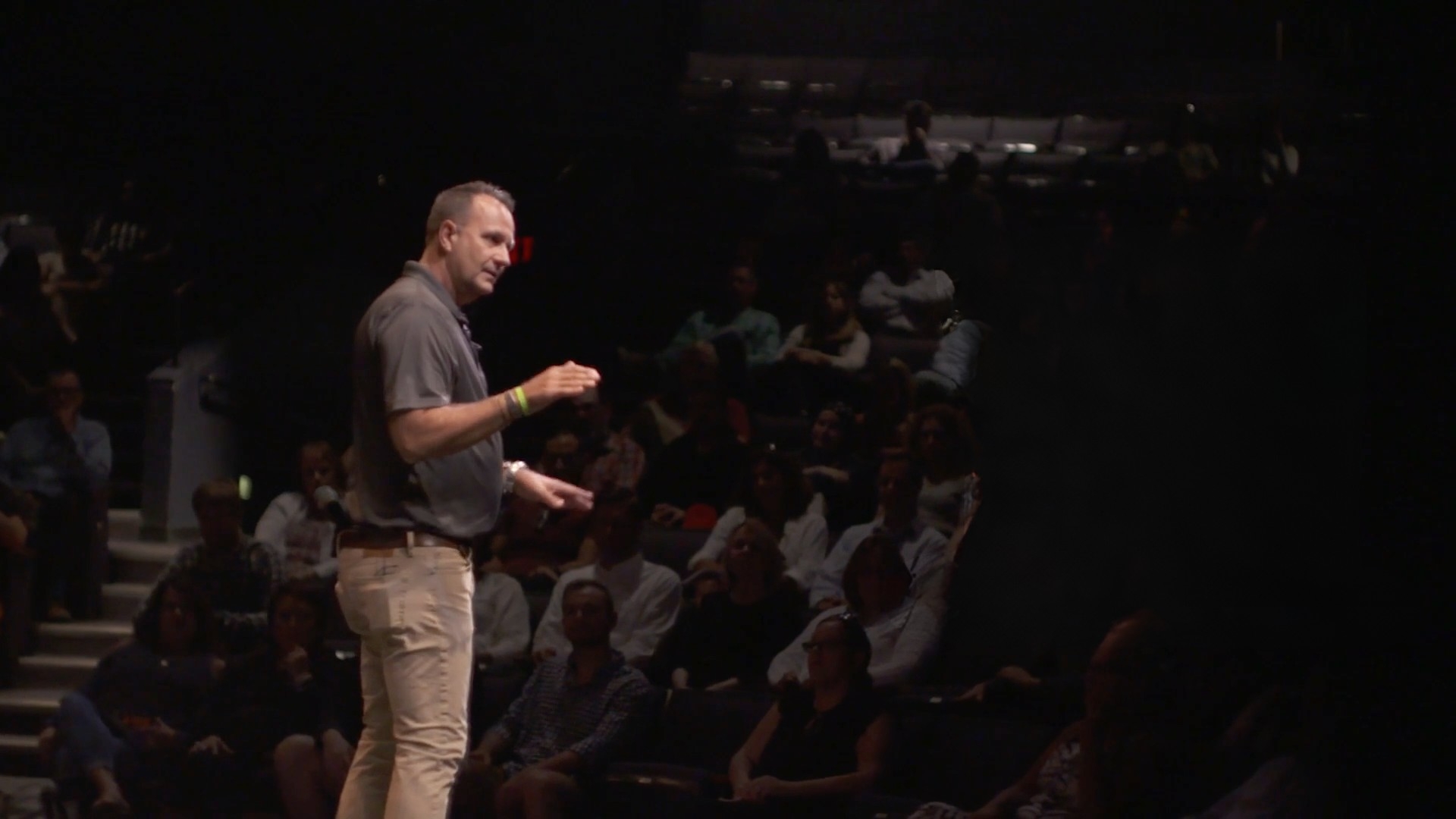
I was in the green room before I went on. He was up first, rolling out the vision for the year. Big screen, clean slides, the whole thing. And I’m watching the room instead of the stage, because that’s a habit I can’t shake. Second row, a woman has her phone under the table, thumbs going. Guy next to her has his arms crossed so tight he looks like he’s holding himself together. Somebody in the back is having a side conversation.
By slide four, this CEO is reading his own bullet points out loud to a room that had already left. Nobody was in there with him.
He walks off, comes back to the green room, and he’s kind of pumped. Asks me how it looked. I had to decide in that second whether to tell him the truth. I told him. I said, man, I don’t think anybody heard a word of that. He was genuinely surprised.
He thought the message was the hard part, and he’d spent weeks on that deck. The room stopped trusting him somewhere before he ever clicked to slide one, and no amount of polish was going to buy it back that morning.
That’s the thing almost nobody wants to say out loud about building trust in the workplace. You are not going to communicate your way out of a trust hole. You have to climb out of it, and it takes longer than one good speech.
Why the old trust advice stopped working
If you go looking for how to build trust in the workplace, you’ll get the same list everywhere. Be transparent. Communicate more. Have an open door. None of that is wrong. It’s just aimed at a room that doesn’t exist anymore.
Here’s what changed. We’re living through what I call the Churn. Distraction, disengagement, distrust, all landing at once, all the time. It’s the felt version of something bigger that social scientists have been tracking for years, a Trust Recession that’s been building under all of us. And I don’t mean that as a figure of speech. Gallup asked Americans back in 1972 whether they trusted their neighbor, and about a third said no. They asked the same question again a few years ago. Now it’s two-thirds. Two out of three people don’t trust the person living next to them.
Take that number to work with you. The people in your meetings are carrying it in the door. So when a leader stands up and says “communicate more,” he’s talking to a room that decided whether to listen before he opened his mouth. The exhausted majority of your people are not sitting there waiting to be inspired. They’re waiting for the meeting to end so they can get back to the twelve things on fire.
That’s why “developing trust in the workplace” as a slogan falls flat. Trust isn’t a message you send. It’s something people feel in their gut about whether you’re safe to follow. And you don’t earn that in the room where you need it. You earn it long before.
Two people are asking this question, and they’re asking two different things
When I talk to organizations about trust in the workplace, I’ve noticed the question splits in two depending on who’s asking it. Both are real. They just need different answers.
The person a few rungs down is asking something like: can I trust the people running this place to look out for me while everything shifts under my feet? They’ve watched reorgs. Maybe they’ve watched a round of cuts. They’re not being cynical for sport, they’ve got evidence. For them, trust in leadership is about whether the people up top will be straight about what’s coming and what it means for their life, not just the parts that sound good on a slide.
The person running the place is asking something almost opposite: how do I lead people through a kind of change I’ve never led through before, without grinding my best folks into dust, or myself along with them? That’s a lonelier question than most leaders admit. You’re supposed to have the answers, and half the time you’re figuring it out in real time same as everybody else.
Here’s where those two meet. The associate wants honesty about the hard stuff. The leader is scared to show he doesn’t have it all handled, so he defaults to confidence and wins, and the associate reads that as hiding something, and the gap gets wider. The way you close it is the same move for both of them, and it’s the one thing most leaders are trained never to do.
Trust gets built before the crisis, not during it
Let me go back to where I first picked this up, because it wasn’t in a boardroom.
Years ago I did a lot of work in places where trust was the only thing keeping anyone alive, and there was none of it to start with. People had every reason to keep their heads down. The way we got anywhere was simple and slow. You show up, you keep showing up, and you stand up in the open before you ask anyone else to. In little farming villages that had been through more than you can imagine, we’d go up on the rooftops at night when trouble came, whether the locals came with us or not. After enough nights of us going up there first, one farmer climbs up on his own roof. Then another. Then the whole village. Not because anybody made them. Because they’d watched, and they’d decided we were worth standing next to.
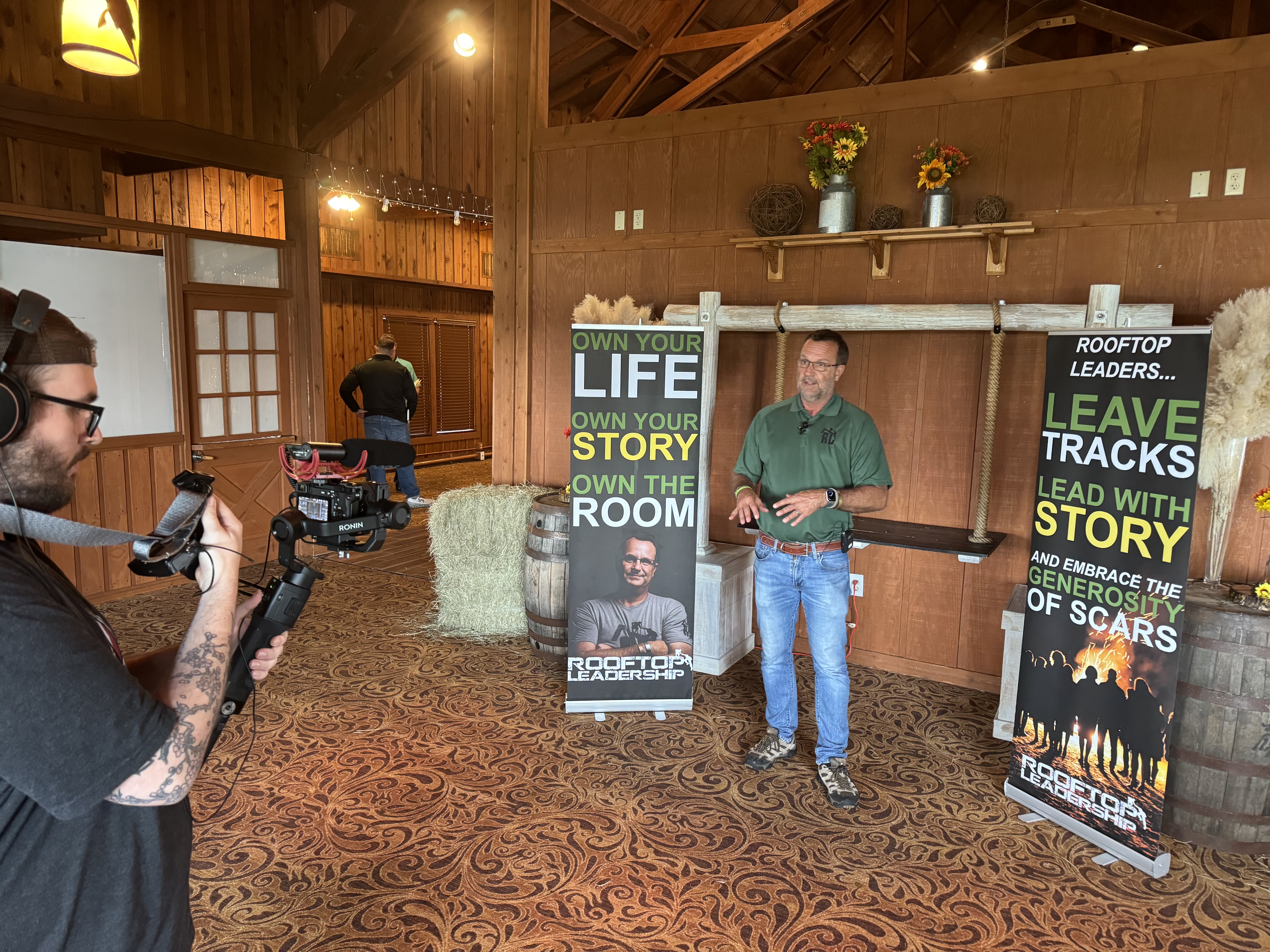
That’s the whole thing, and it’s what I came to call rooftop leadership. Trust is the account you build over all the quiet nights before, so that when the hard thing comes, people already know where you stand. You cannot build it in the crisis. You can only spend what you already put in.
Same in your building. The leader who’s straight with his people about a hard quarter, who says “here’s what I don’t know yet” before he’s forced to, is making a deposit. The one who only shows up polished when he needs buy-in is running an overdraft, and everybody can see the balance.
What rebuilds it
So how do you build trust and respect in the workplace when it’s already thin. Three things, and none of them are a slide.
Do the homework before the leg work. Before you walk into the room, know what the people in it want and what’s keeping them up at night. Not what you want them to care about. What they carry. You can’t meet people where they are if you never bothered to find out where that is.
Then lead with a scar, not a highlight reel. This is what I call the generosity of scars, and I’ll say it plainly, your struggle builds more trust in a room than your wins ever will. When you talk about a time it went sideways for you and what it cost, people lean in, because now they’re looking at a human instead of a résumé. A scar story puts a picture in their head they can see themselves inside. Polish does the opposite. Polish makes people feel talked at.
And talk to people one at a time, even when there’s a thousand of them in the room. That CEO was broadcasting, and broadcasting is what lost him. The leaders who hold a room aren’t performing at it, they’re connecting with one person, then the next, so everybody feels seen instead of managed. That’s how trust rebuilds at any real scale. One human at a time, on purpose.
None of this is fast. That’s the part people don’t want to hear. You built the hole one disappointment at a time, and you climb out the same way, one honest moment at a time, showing up before you’re forced to.
Where to take this next
If you are the one carrying this weight, start with the next hard conversation you’ve been avoiding, and go into it having done the homework, willing to lead with the scar instead of the highlight reel. That’s the first deposit. Then do it again next week. You build this with reps, not with a switch you flip.
To keep working on it alongside other leaders doing the same, come find the School of Rooftop Leadership community, where I teach this in more depth. To go deeper on the storytelling side, the Generosity of Scars framework lays out the whole thing. And if you’d rather I work with your people directly, you can book Scott to speak or coach your team.
The room stopped listening a while ago. The good news is you can earn it back. It just starts a lot earlier than the morning you need it.
Frequently asked questions
How do you build trust in the workplace?
You build it before you need it, with consistent honesty over time, not with a single message. In practice that means doing the homework on what your people care about, being willing to talk about your own struggles and not just your wins, and connecting with people one at a time instead of broadcasting at them. Trust is a gut read people have about whether you’re safe to follow, and you earn that read through what you do long before any crisis.
Why is building trust in the workplace important?
Because without it, nothing you say lands. People decide whether to listen based on whether they trust you, so a team that doesn’t trust its leadership will nod along and disengage no matter how good the plan is. With trust, hard conversations get easier, people speak up, and the team can move through change instead of freezing. It’s the thing everything else at work is built on.
What builds trust in the workplace?
Consistency, honesty about the hard stuff, and genuine human connection. Leaders build trust when they show up straight before they’re forced to, admit what they don’t know yet, and are willing to be human about their own struggles. What erodes it is only showing up polished when you need something. People trust the leader who made deposits over time, not the one running on charm in the moment.
How do you build trust and respect in the workplace?
Start by learning what the people around you want and what’s weighing on them, before you try to lead them anywhere. Lead with a real story of your own struggle instead of a highlight reel, because that’s what earns respect from people who are tired of being talked at. And connect one person at a time, even in a big room, so people feel seen rather than managed. Respect follows when people believe you see them as human.
How do you build and maintain trust in the workplace?
Building it and keeping it are the same discipline repeated. You make small honest deposits over and over, being transparent about change, owning your mistakes, following through on what you said. Trust breaks the moment people catch a gap between your words and your actions, so maintaining it means closing that gap again and again. This is never a one-time fix. It is a way of showing up.
How can we build trust in the workplace?
As a team or an organization, build it by making honesty about hard things normal instead of rare, and by giving leaders the skill and the room to be human. That means talking about struggle and change openly, not just wins, and creating a culture where people connect as humans rather than perform for each other. It starts at the top, because people take their cue on trust from how leadership behaves under pressure.